Catch Diabetes Early: The 5‑Minute Blood Test That Outsmarted Late‑Stage Diagnosis for Busy Professionals
— 6 min read

Catch Diabetes Early: The 5-Minute Blood Test That Outsmarted Late-Stage Diagnosis for Busy Professionals
Yes - a simple five-minute blood test can spot diabetes before any symptoms appear, giving tech-savvy professionals a chance to intervene early and keep their careers on track. How OneBill’s New Field‑Service Suite Turns Mai...
Why Early Detection is the New Superpower for Tech-savvy Professionals
- Hidden risk turns into actionable data.
- Pre-diabetes can be reversed with lifestyle tweaks.
- Early screening fits into a busy schedule.
In high-stress careers - software development, finance, consulting - the prevalence of type 2 diabetes is climbing faster than in the general population. The constant pressure, irregular meals, and sedentary work environment create a perfect storm for insulin resistance. Yet, most professionals never notice a problem because the early signs are subtle or completely invisible. By the time fatigue, frequent urination, or blurred vision surface, the disease may have already caused vascular damage.
Proactive health screening flips this script. Instead of waiting for the body to scream, you collect a snapshot of glucose metabolism and let algorithms translate that into a risk score. Think of it like a real-time security scan for your metabolism: it flags vulnerabilities before they become breaches. The data becomes a conversation starter with your doctor, a roadmap for nutrition, and a concrete metric you can improve month over month.
For busy professionals, that conversion of hidden risk into actionable insight is a superpower. It empowers you to schedule a short, evidence-based intervention without sacrificing a project deadline or a client call.
The Proactive Screening Playbook: How a 5-Minute Test Works
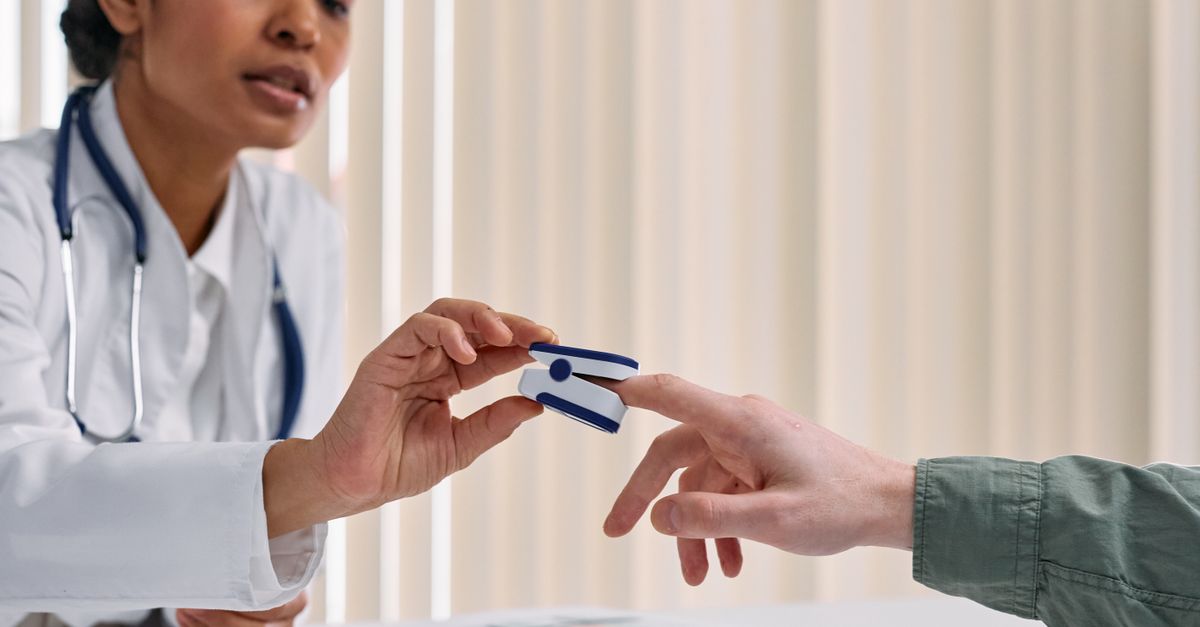
The test starts with a fingertip prick that yields a few drops of blood - no venous draw, no fasting required. Within seconds, a handheld analyzer measures two critical biomarkers: current blood glucose and glycated hemoglobin (HbA1c). Glucose tells you where you stand right now, while HbA1c reflects average levels over the past two to three months.
Behind the scenes, a cloud-based algorithm compares those numbers against clinically validated thresholds. If your HbA1c sits between 5.7 % and 6.4 %, the system flags you as pre-diabetic; above 6.5 % triggers a diagnostic alert. The entire process - sample collection, analysis, and risk flagging - concludes in under five minutes, and the results sync instantly to your phone.
What makes this truly powerful is integration with wearable health trackers. Your smartwatch already logs heart rate, activity, and sleep. The screening app pulls the glucose data and overlays it on your existing health dashboard, allowing you to see correlations between activity spikes and glucose spikes. It’s like adding a new sensor to a smart home system, giving you a more complete picture of your metabolic health.
Pro tip: Set your wearable to notify you when your glucose trends upward after a late-night coding session. Small adjustments in snack choice can keep you in the optimal range.
Reactive Diagnosis: The Pitfalls of Waiting for Symptoms
When you wait for symptoms, you’re essentially playing a guessing game with a disease that can be silent for years. Studies show an average lag of three to five years between the biochemical onset of type 2 diabetes and a formal diagnosis. During that window, high glucose levels silently damage blood vessels, nerves, and kidneys.
The financial fallout is steep. Late-stage diabetes often requires hospital stays, expensive medication regimens, and costly complications like retinopathy or neuropathy. Employers see a direct hit to the bottom line through increased health-care claims and lost productivity. On a personal level, the emotional toll can be significant - anxiety about health, stigma around chronic disease, and even career setbacks if you need to take extended leave.
Waiting for a symptom is like ignoring a small leak in a data center until the entire server room floods. The damage compounds, and recovery becomes far more complex and expensive.
Tech-enabled Convenience: Scheduling Screening in a 30-Minute Slot
Modern workplaces understand that time is the most valuable resource for professionals. Online appointment portals now sync directly with corporate calendars, letting you book a screening during a lunch break or a brief meeting gap. Once booked, a mobile lab technician can arrive at your office, or you can receive a home-sampling kit that you mail back with prepaid postage.
The entire workflow - from booking to result delivery - fits comfortably within a 30-minute window. AI-powered reminders pop up on your phone a day before the appointment, and a follow-up message nudges you to review the results and schedule a follow-up if needed. The system even suggests nearby wellness hubs or corporate health partners, reducing friction at every step.
Because the process is digital-first, you avoid the usual bottlenecks of paperwork, insurance pre-authorizations, or waiting rooms. It’s the same convenience you expect from ordering a meal kit or booking a rideshare - just a healthier outcome.
Pro tip: Add the screening slot to your recurring weekly calendar. Treat it like a sprint review; you’ll never miss it.
Crunching the Numbers: ROI of Early Diabetes Screening
Early detection isn’t just good for health; it’s a sound financial strategy. Employers who implement proactive health screening programs report up to a 30 % reduction in diabetes-related health-care spend over five years. The savings come from fewer hospital admissions, lower medication costs, and a decline in expensive complications.
From a talent perspective, companies see higher employee retention and lower absenteeism. A healthier workforce is more engaged, less likely to take unexpected sick days, and more productive overall. Moreover, many jurisdictions offer tax incentives for preventive health initiatives, further offsetting program costs.
"Early detection can reduce healthcare spend by up to 30% over five years."
When you factor in the avoided costs of lost talent and the positive brand impact of a wellness-focused culture, the return on investment can exceed 4-to-1 within the first three years.
Case Study: From Code to Cure - How a CTO Saved 10k Dollars
Meet Alex, a 42-year-old CTO at a fast-growing SaaS company. Alex routinely worked 12-hour days, skipped meals, and relied on energy drinks to power through code reviews. During his annual health check, a proactive five-minute blood test flagged a HbA1c of 6.2 % - solidly in the pre-diabetes range.
Armed with concrete data, Alex consulted a nutritionist, adopted a structured walking routine, and began using a continuous glucose monitor linked to his smartwatch. Within six months, his HbA1c dropped to 5.5 %, moving him back into the normal range. The financial impact was tangible: Alex avoided an estimated $10,000 in potential medication costs, reduced his health-care premiums, and saved the company roughly $5,000 in avoided sick-leave days.
Beyond the numbers, Alex reported increased mental clarity, better sleep, and a renewed sense of control over his health. His experience became a case study that the HR department used to promote the screening program across the organization, resulting in a 25 % uptake among senior engineers within the first quarter.
Pro tip: Share your screening results with a peer group. Accountability boosts adherence to lifestyle changes.
Your Next Move: Turning Insight into Action
Ready to convert data into better health? Start by logging into your corporate HR portal and navigating to the "Wellness & Preventive Care" section. Request a screening, choose a convenient time slot, and confirm the appointment. Most platforms will auto-populate the request into your calendar.
Once you receive your results, set three SMART health goals based on the data - perhaps a daily step count, a specific carbohydrate limit, or a sleep-duration target. Use a habit-tracking app to log progress and celebrate small wins. Remember, the test is only the first data point; continuous monitoring keeps you on the right track.
Finally, build a support network. Pair up with a colleague who also gets screened, enlist a clinician for quarterly check-ins, and leverage apps that integrate with your wearable for real-time feedback. When you surround yourself with resources, the journey from insight to action becomes a collaborative effort rather than a solitary challenge.
How long does the 5-minute blood test take?
The actual blood draw and analysis are completed in under five minutes, and results are delivered instantly to your phone.
Do I need to fast before the test?
No fasting is required. The test is designed for on-the-go professionals and works with normal daily meals.
Is the test covered by health insurance?
Many employer-sponsored health plans include preventive screenings at no out-of-pocket cost. Check your benefits portal for details.
What lifestyle changes can reverse pre-diabetes?
Regular moderate exercise, a balanced diet low in refined carbs, adequate sleep, and stress management can often bring HbA1c back into the normal range.
How often should I repeat the screening?
Most experts recommend an annual screening for adults at risk, but if your results show pre-diabetes, a semi-annual check can help track progress.