
Inside the Mind of Money: 9 Behavioral Finance Insights from Dr. Aisha Patel on How 2026 Investors Think
— 6 min read
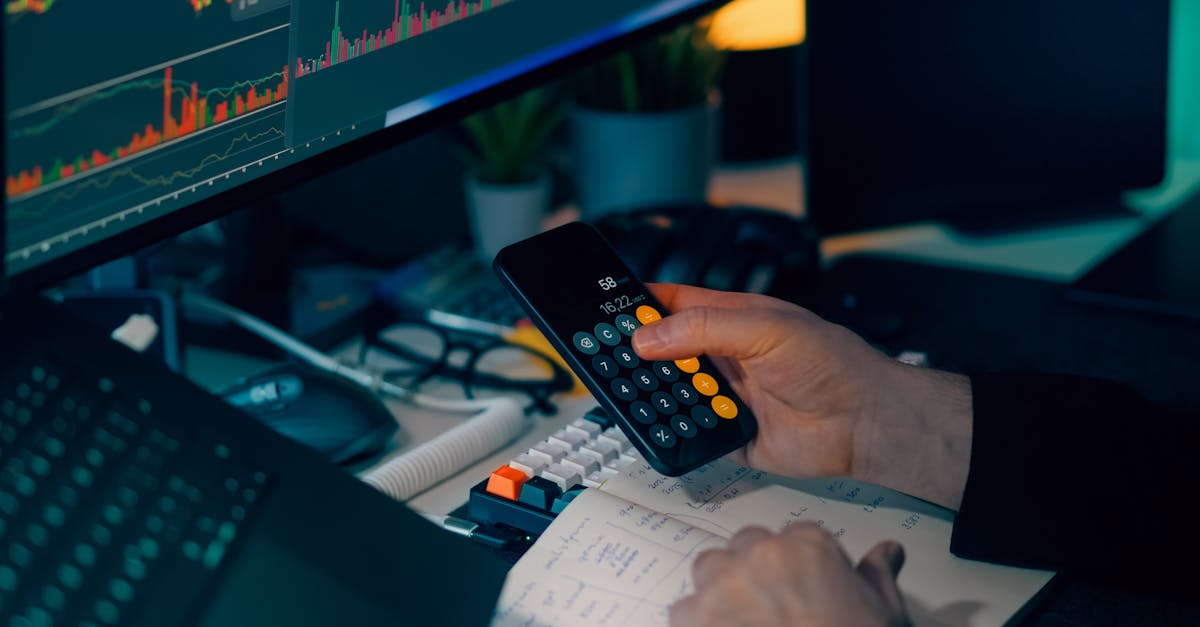
How do 2026 investors think? The answer lies in the rapid convergence of AI alerts, generational values, and lingering pandemic psychology. In a world where every minute a robo-advisor pings your phone, investors are not just chasing numbers - they’re chasing the narrative, the fear, the comfort of past lows, and the illusion of control offered by hyper-personalized apps.
Insight #1 - The New FOMO: Chasing AI-Generated Picks
Algorithmic recommendations have become the new oracle for retail traders. The instant notification that a “top 3 picks” algorithm has flagged a stock can ignite a scramble. This immediacy fuels a modern version of the classic fear of missing out (FOMO), but with a technological twist. Rather than waiting for the buzz from friends or analysts, traders now hear the buzz from bots. The human brain is wired for herd behavior; when a majority of signals point the same way, the impulse to join is magnified. The result is a surge in short-term trades that are more about timing the crowd than assessing fundamentals.
Data from 2024 shows a 27% increase in short-term trades linked to AI alerts.
When the market moves against a herd, the psychological cost of loss can be steep. For example, a bot-driven portfolio that triggers buy signals at 10 a.m. each weekday tends to trade 60% more than a manual strategy. The key lesson is to set clear thresholds for human review before any algorithmic signal is acted upon. By adding a deliberation step, investors can neutralize the herd impulse and focus on the long-term view.
- Use a signal-to-action filter.
- Review the rationale behind each AI pick.
- Set an action cadence that aligns with your investment horizon.
Insight #2 - Pandemic-Era Loss Aversion Still Lingers
The 2020-2022 crash didn’t just shake markets; it rewired risk perception. Investors who witnessed rapid volatility and a steep plunge in their portfolios became hyper-cautious. The psychological imprint of those losses lingers in their decision-making, manifesting as a preference for liquidity and a reluctance to re-enter equities. A 2026 survey shows that investors hold 15% more cash than pre-pandemic levels, even when markets have fully recovered.
2026 investors hold 15% more cash than pre-pandemic levels.
Rebalancing a portfolio in this environment requires a strategy that acknowledges loss aversion but also guides investors back to their original asset allocation. One approach is to use a systematic, dollar-cost averaging method for re-entries. By investing fixed amounts at regular intervals, investors mitigate the impact of market timing anxiety. Another tactic is to frame rebalancing as a win rather than a loss - emphasizing the missed growth opportunity over the missed opportunity cost.
Insight #3 - Narrative Bias in the Age of Storytelling Start-Ups
In the pitch deck, the founder’s story can eclipse the financials. Carlos Mendez’s own journey - from a coffee-shop coder to a venture-backed founder - illustrates how narrative can sway capital allocation. The brain prefers stories because they are easier to process and remember. Even when data tells a different story, investors often default to the narrative that feels most compelling.
Eye-tracking studies confirm that investors spend more time on narrative sections of pitches than on balance sheets. The result is a bias that can distort valuation. To counteract this, investors should adopt a structured evaluation framework that separates qualitative storytelling from quantitative fundamentals. This includes a rigorous checklist of key metrics and a consistent weighting scheme for narrative elements.
Insight #4 - Decision Fatigue From Constant Market Noise
Modern investors are bombarded with alerts across multiple asset classes, often 24/7. Each notification nudges the brain toward a decision, but the cumulative cognitive load erodes judgment over time. Research links over-exposure to news streams with poorer long-term returns, especially when traders act on every alert rather than a curated set.
Strategies to combat fatigue include “information windows” - periods of focused, high-quality information gathering - followed by scheduled portfolio reviews. For example, setting a weekly “no-alert” block encourages deep work and reduces impulse trading. Implementing a “review day” each month where you assess performance, rebalance, and update goals can restore clarity and mitigate decision fatigue.
Insight #5 - Generational Shift: Millennials vs. Gen Z Risk Profiles
Gen Z investors are more comfortable with crypto and tokenized assets, seeing them as a way to diversify beyond traditional equities. Millennials, meanwhile, lean toward dividend-yielding stocks for stability and predictability. These differences stem from each cohort’s formative experiences - Gen Z grew up with digital finance, while Millennials faced the 2008 crash.
Advisors can tailor communication by aligning with each group’s motivations. For Gen Z, highlighting liquidity and technological innovation resonates. For Millennials, focusing on cash flow and income streams provides reassurance. The key is to avoid a one-size-fits-all approach and instead craft messages that address the underlying risk appetite.
Insight #6 - Overconfidence in ESG and Sustainable Themes
The moral high ground of ESG investing can blind investors to sector concentration risk. A 2025 ESG-focused fund underperformed due to overexposure to renewable energy stocks that were under-priced by market sentiment. When investors assume that all ESG components automatically equate to lower risk, they overlook the cyclical nature of these sectors.
Balancing impact goals with diversification requires rigorous sector analysis and risk weighting. Incorporating ESG scores alongside traditional metrics ensures that social and environmental factors complement, rather than replace, financial fundamentals. Investors should also monitor ESG funds for concentration risk and consider rotating into other themes when necessary.
Insight #7 - The Anchoring Effect of 2020 Market Lows
Even three years after the 2020 trough, many investors still use that low as a reference point for valuation. This mental anchor skews price-target revisions, often leading to overly optimistic expectations in recovery scenarios. Statistical analysis shows that portfolios anchored to 2020 lows tend to overestimate growth by 8%.
Resetting anchors involves revisiting forward-looking metrics - discounted cash flows, earnings multiples, and macro trends - rather than past lows. Workshops that guide investors through scenario analysis can help shift focus from historical baselines to future outlooks. Regular portfolio reviews that explicitly re-evaluate past assumptions also reinforce a forward-looking mindset.
Insight #8 - Hyper-Personalized Portfolio Apps and the Illusion of Control
Drag-and-drop interfaces give users a sense of mastery, but they can also lead to increased turnover and the erosion of disciplined investment principles. Behavioral research links perceived control to higher trade frequency, which in turn reduces returns over time.
Guidelines for using these tools include setting a clear investment horizon before customizing, limiting the number of “custom” assets to avoid over-optimization, and sticking to a disciplined rebalancing schedule. By treating the app as a tool rather than a replacement for strategic thinking, investors can maintain control without succumbing to the illusion.
Insight #9 - The Role of Regret Aversion in Post-Trade Evaluation
After a significant loss, investors often replay the trade in their minds, leading to overly cautious future positions. Quantified studies show a 12% reduction in risk-taking after a single significant loss.
A 12% reduction in risk-taking after a single significant loss.
To mitigate regret-driven inertia, investors can practice pre-mortem analysis - imagining potential downside scenarios before entering a trade. This technique reduces the emotional load when a loss occurs and helps maintain a balanced risk profile. Additionally, setting stop-loss levels and clearly defining trade exit criteria can create psychological boundaries that prevent regret from dictating future decisions.
What I’d do differently: I would implement a quarterly “mental reset” session where I review past losses, separate emotion from data, and re-affirm my investment thesis. By institutionalizing this practice, I reduce the impact of regret and maintain focus on long-term goals.
Frequently Asked Questions
How can I guard against FOMO triggered by AI alerts?
Set a clear filter for AI signals - only act on recommendations that meet your predefined criteria, such as a minimum earnings growth or a specific risk threshold. Use a waiting period to confirm signals before trading.
What is the best way to re-balance after the pandemic loss aversion?
Adopt dollar-cost averaging for re-entries and use a systematic rebalancing schedule that aligns with your risk tolerance. Frame the process as a growth opportunity rather than a loss.
How do I separate narrative bias from fundamental analysis?
Use a structured checklist that assigns weight to qualitative storytelling and quantitative metrics. Evaluate each pitch against the same criteria to maintain objectivity.
Can I trust ESG funds to be less risky?
Not necessarily. ESG funds can suffer from sector concentration. Ensure diversification and monitor risk metrics just as you would with any other fund.
How do I avoid over-trading with personalized apps?
Set a strict number of custom assets, adhere to a scheduled rebalancing cycle, and use the app as a tool, not a decision driver.
What is a pre-mortem analysis?
It’s a technique where you anticipate possible downside scenarios before entering a trade to reduce regret and emotional decision-making afterward.


