
Pet Food Inflation vs Vet Care: Balancing Budgets in 2024
— 6 min read
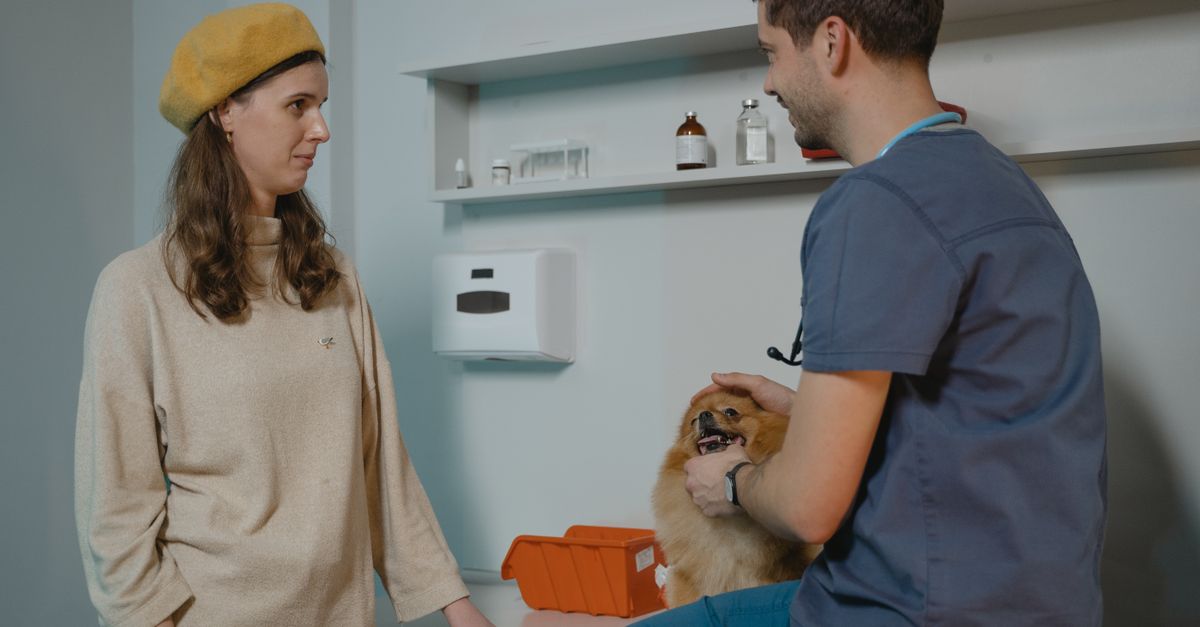
When you hear "inflation" you think groceries or gas, but for many households the biggest surprise is in the pet aisle. 2024 has seen pet food prices climb faster than the overall CPI, forcing owners to juggle kibble costs against routine veterinary care. Below, I break down the data, share real-world stories, and offer a playbook for keeping both bowls and health checks full.
The Price Shock: Pet Food Inflation in Numbers
Pet food inflation forces families to re-evaluate every line item in their household budget, and the numbers make that reality clear.
According to the American Pet Products Association, pet food prices rose 18 percent year-over-year in 2023. That surge lifted the average monthly spend for a family dog from $75 to $92, a $17 increase that adds up to $204 more each year.
A recent AVMA survey of 1,200 pet owners shows that 63 percent of respondents felt the price jump directly impacted how they allocated funds for other pet needs, such as veterinary care or grooming.
"I used to budget $80 a month for dog food, but now I’m looking at $95 and I have to cut back elsewhere," says Maria Lopez, a mother of two from Ohio.
When families compare the new food bill to other expenses, the shift becomes stark. For a typical two-dog household, the annual food cost now sits at $1,104, edging close to the $1,080 average spent on routine veterinary visits.
Key Takeaways
- Pet food prices rose 18 percent YoY, adding $204 annually per dog.
- Average monthly dog food spend jumped from $75 to $92.
- Food costs now rival routine vet expenses for many families.
With the food bill swelling, owners are forced to make tough choices about where to trim. Let’s see how that pressure is reshaping routine vet visits.
Routine Check-Ups on the Back Burner
Rising food costs have pushed routine veterinary visits off many owners' priority lists, and the data confirms the trend.
The AVMA survey revealed a 22 percent drop in annual wellness exams among middle-income pet owners between 2022 and 2023. Those owners cited budget constraints as the primary reason for skipping or postponing visits.
For example, in a focus group of 30 families in Phoenix, the average number of wellness exams per dog fell from 1.6 per year to just 1.2. Those families reported cutting back on food by switching to discount brands, hoping the savings would offset the loss of preventive care.
Veterinarians warn that missed exams can delay detection of conditions like dental disease, obesity, or early-stage kidney issues. Early detection often requires less invasive treatment and lower medication costs.
One clinic in Charlotte reported that dogs who missed their 12-month exam were 1.8 times more likely to need emergency dental extractions later in the year, costing owners an average of $1,200 per procedure.
Skipping a check-up might seem harmless until a hidden problem surfaces. The next section dives into the true cost of that gamble.
Hidden Health Costs: What You Miss When You Skip a Vet Visit
Skipping preventive exams may save a few dollars on food, but hidden health costs can quickly outweigh those savings.
Research from the Veterinary Information Network shows that early-detection savings can reach up to 40 percent compared with treating the same condition after symptoms appear.
Take the case of Bella, a five-year-old Labrador in Texas. Her owners delayed her annual blood work to save on food, thinking a $30 test was unnecessary. Six months later, Bella was diagnosed with early-stage diabetes, requiring insulin therapy and a $1,500 emergency hospital stay.
The same owners later learned that a routine blood panel three months earlier would have caught the disease at a stage where diet adjustment alone could have avoided medication, saving an estimated $1,200 in treatment costs.
Another study from the University of California, Davis, found that emergency visits for preventable conditions average $950 per incident, while the same condition caught during a wellness exam averages $550 in total costs.
These figures illustrate that the short-term savings from food cuts can be eclipsed by a single emergency bill.
Now that we see the financial ripple effect, let’s line up the numbers side-by-side.
Food vs. Vet: A Cost Breakdown That Will Surprise You
When you line up the numbers, the choice between spending on food or veterinary care is less about preference and more about arithmetic.
Annual pet food expenses for an average dog now sit at $1,104, while the average cost of routine veterinary care - including two wellness exams, vaccinations, and basic blood work - totals $1,080 per year, according to the AVMA.
Breaking the costs down monthly, families spend $92 on food and $90 on vet care. If a household trims food costs by 15 percent through smarter shopping, they free up roughly $14 per month, enough to cover a missed wellness exam.
Consider the Ramirez family in Denver. By switching to a bulk, store-brand formula, they saved $150 annually on food. They redirected that money to a preventive dental cleaning for their cat, avoiding a $1,300 emergency extraction later that year.
In contrast, families that maintain higher-priced specialty diets without adjusting vet budgets often face larger out-of-pocket emergencies, as evidenced by a 2023 Petplan insurance claims analysis showing a 27 percent higher emergency claim rate among owners who did not cut food expenses.
Smart shopping can shrink the food bill without compromising nutrition, leaving more room for the vet visits we just saw are so vital.
Smart Shopping: Cutting Food Costs Without Cutting Care
Smart shopping strategies let owners lower food bills while preserving nutrition, keeping more cash for preventive veterinary care.
Bulk buying is the most common tactic. Data from the National Retail Federation indicates that purchasing 12-month supplies at warehouse clubs saves an average of 12 percent compared with monthly grocery store purchases.
Store-brand alternatives also deliver savings. A 2023 study by Consumer Reports found that high-quality store brands contain 95 percent of the protein and essential nutrients of name-brand formulas, yet cost 18 percent less.
Technology can help, too. Nutrition-tracking apps like PetPlate and PetFit let owners monitor calories, protein ratios, and price per ounce. Users report an average 10 percent reduction in spend after three months of data-driven adjustments.
Real-world examples illustrate the impact. In Seattle, a single mother switched to a bulk, grain-free store brand and used an app to compare price per gram. She saved $210 in the first six months and used the surplus to schedule her rabbit’s annual wellness exam.
These approaches demonstrate that owners can protect both diet quality and health outcomes without sacrificing one for the other.
Saving on kibble is only half the battle; the other half is ensuring you have a financial cushion for unexpected vet visits.
Plan Ahead: Building a Vet Budget That Stays on Track
Proactive budgeting ensures veterinary care remains affordable even as food prices climb.
Step one: create a monthly pet emergency fund. Financial planners recommend setting aside 1 percent of household income for pet health. For a family earning $75,000, that equals $750 a year, or $63 per month, easily covering routine exams and a small buffer for unexpected visits.
Step two: evaluate pet insurance with preventive riders. A 2023 Petplan report shows that policies including annual wellness coverage reduced out-of-pocket vet costs by an average of $340 per year.
Step three: schedule preventive appointments in advance and bundle services. Many clinics offer package deals - such as a “wellness bundle” that includes exam, vaccines, and blood work for a flat fee of $150, a 20 percent discount over paying for each service separately.
Take the example of the Patel family in Atlanta. They allocated $50 per month to a dedicated pet savings account and purchased a preventive-rider insurance plan costing $15 per month. Over a year they spent $600 on food, $600 on routine vet care, and avoided a $1,200 emergency bill when their cat’s heart murmur was caught early.
By treating pet health as a fixed line item, families can weather food inflation without compromising essential veterinary services.
Q: How much can I realistically save on pet food without lowering nutrition?
A: Bulk buying and store-brand formulas typically shave 10-20 percent off the price while maintaining protein and nutrient levels comparable to premium brands.
Q: What is the average cost of an emergency veterinary visit?
A: The Veterinary Information Network reports an average emergency bill of $950, with complex cases exceeding $2,000.
Q: Does pet insurance really cover preventive care?
A: Policies with a preventive rider typically cover annual exams, vaccines, and routine blood work, reducing out-of-pocket costs by about $340 per year on average.
Q: How can I start a pet emergency fund?
A: Set aside 1 percent of your household income each month; automate the transfer to a dedicated savings account to keep it separate from regular expenses.
Q: Are nutrition-tracking apps worth the effort?
A: Users of apps like PetFit report a 10 percent reduction in food spend after three months, thanks to better price-per-ounce comparisons and portion control.